



Light Naphtha in Petrochemical Cracking: Unlocking Feedstock Efficiency
Table of Contents
- Introduction
- What Is Light Naphtha?
- Role of Light Naphtha in Steam Cracking
- Efficiency Advantages vs. Heavy Naphtha
- Innovative Technologies Enhancing Light Naphtha Use
- Why Choose Light Naphtha Feedstock?
- Packaging & Export Solutions by Westinol
- Top 10 FAQs
- Final Thoughts
1. Introduction
In petrochemical production, success begins with choosing the right feedstock. Light naphtha—a volatile, low-boiling fraction—has emerged as a go-to raw material in steam cracking, but not all naphtha is created equal. In this article, you’ll discover how light naphtha enhances feedstock efficiency, reduces energy consumption, and supports high olefin yields.
2. What Is Light Naphtha?
Light naphtha is a petroleum distillate typically boiling between 30–90 °C and comprised of hydrocarbons with 5–6 carbon atoms . It is a key feedstock in petrochemical cracking, with applications ranging from ethylene and propylene production to blending in gasoline or serving as industrial solvents .
3. Role of Light Naphtha in Steam Cracking
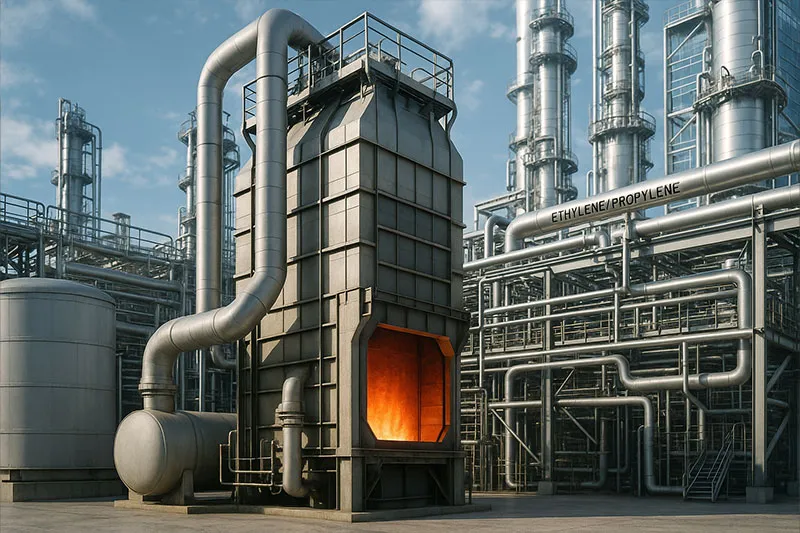
Light naphtha plays a central role in steam cracking, the core process for producing light olefins like ethylene and propylene. In this process, hydrocarbons are exposed to high-temperature steam (~850 °C) for milliseconds, breaking them into useful products . Light hydrocarbon feeds such as light naphtha result in higher yields of ethylene and propylene, compared to heavier feeds.
4. Efficiency Advantages vs. Heavy Naphtha
Experimental studies show clear advantages of using light naphtha:
- Ethylene yield from light naphtha can reach ~24.1 wt %, versus only ~13.6 wt % from heavy naphtha.
- Adding heavy naphtha to the feed can reduce olefin yield and increase benzene formation, indicating non-linear impacts on performance.
In essence, light naphtha offers superior olefin yield and feedstock efficiency, making it ideal for high-production cracking operations.
5. Innovative Technologies Enhancing Light Naphtha Use
New process technologies are unlocking greater efficiency and sustainability:
- Honeywell’s NEP (Naphtha-to-Ethane/Propane) technology transforms light naphtha into a mix of ethane and propane, which then feed steam crackers or dehydrogenation units. This method boosts ethylene/propylene output and reduces CO₂ intensity per ton by 5–50% compared to conventional mixed-feed crackers .
These methods dramatically increase net cash margin and sustainability—a win for both manufacturers and the environment.
6. Why Choose Light Naphtha Feedstock?
Key Benefits:
- Higher light olefin yields, especially ethylene and propylene .
- Lower energy input per unit output, due to lower hydrocarbon complexity.
- Reduced side-product formation, enhancing product purity and process efficiency.
- Better economics and sustainability, especially when coupled with advanced technologies like NEP .
7. Packaging & Export Solutions by Westinol
Westinol supplies high-purity light naphtha optimized for steam cracking applications, offering:
- Bulk tanker shipments, ideal for large cracker units.
- ISO tank and flexitank options for flexible logistics.
- Rigorous quality control and testing certifications.
- Customized product solutions based on cracker inlet requirements.
Visit our Light Naphtha product category for specifications and global supply support.
8. Top 10 FAQs – Light Naphtha in Petrochemical Cracking
- Why is light naphtha preferred in ethylene production?
It offers higher olefin yields, especially ethylene (~24 wt % vs. ~13 wt % for heavy naphtha) . - What defines light vs. heavy naphtha?
Light naphtha contains C5–C6 hydrocarbons boiling between 30–90 °C, whereas heavy naphtha has higher boiling ranges and longer carbon chains . - What products result from light naphtha cracking?
Yields include ethylene, propylene, C₄ fraction (butadiene, butenes), aromatics (BTX), and pyrolysis oils . - Can blending with heavy naphtha reduce efficiency?
Yes—higher heavy naphtha content lowers olefin yield and increases unwanted byproducts. - How does NEP technology improve light naphtha processing?
It breaks naphtha into ethane and propane, enabling cleaner, greener cracking with higher margins and lower emissions . - Is light naphtha suitable for gasoline blending?
Yes—it increases volatility and helps raise octane due to its hydrocarbon profile . - What is light naphtha’s typical boiling range?
About 30–90 °C for C₅–C₆ components . - Is steam cracking the main route for olefin production using light naphtha?
Yes—it’s the leading industrial technique for ethylene and propylene production. - Which regions have growing demand for light naphtha?
Asia-Pacific, driven by expanding petrochemical capacity and plastics manufacturing . - How can Westinol support light naphtha buyers?
Through tailored product specs, global logistics, certification, and technical support via our Light Naphtha category page.
9. Final Thoughts
Light naphtha isn’t just a fraction—it’s a high-efficiency feedstock fueling modern petrochemicals. Whether you’re optimizing steam cracker performance, reducing energy use, or boosting light olefin production, our global supply of premium light naphtha and technical expertise makes Westinol your strategic partner.
Explore our product offerings or reach out for tailored solutions that enhance feedstock efficiency and industrial success.